

Eating is basic to life. Yet illness can suddenly take away that ability. In such situations, doctors may recommend rice tube feeding, also known as Ryle’s tube feeding. To ensure the patient receives proper nutrition and fluids.
A rice tube is a thin medical tube used to deliver liquid nutrition directly into the stomach. Doctors use this method when patients cannot swallow due to stroke, severe illness, or advanced age.
As a result, rice tube feeding becomes medical support. It helps patients maintain strength and prevents malnutrition. Today, this procedure is widely used in hospitals, rehabilitation centres, and elderly care homes, including our old age home in Panvel. Therefore, understanding the rice tube procedure and how to feed through it can reduce fear.
What Is a Rice Tube?
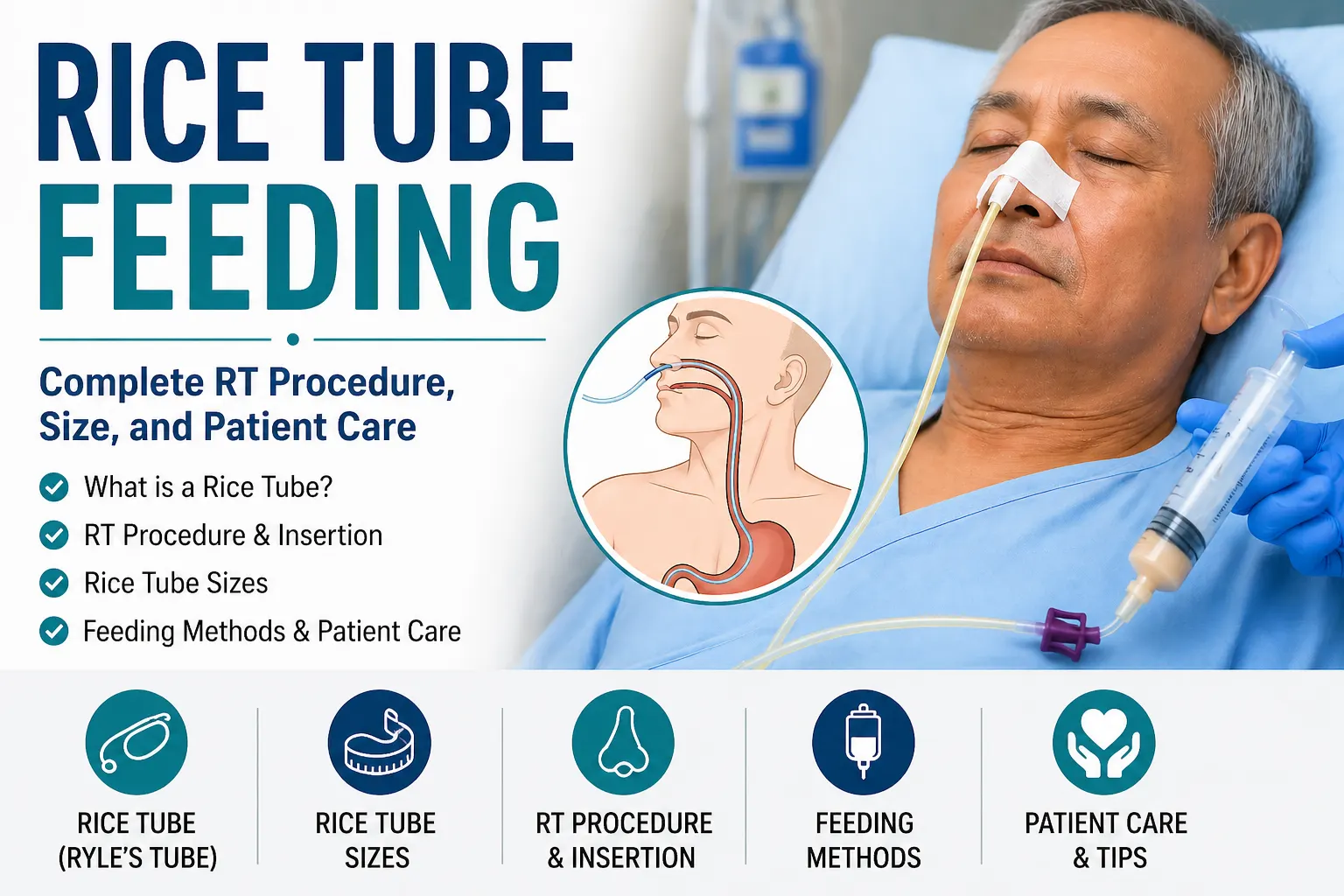
A rice tube is also known as a Ryle’s tube or a nasogastric tube. It is a thin and flexible tube. A doctor puts it into the nose and down into the patient’s stomach. It is used to give liquid food, water, and medicine directly into the patient’s stomach.
Doctors insert a rice tube into a patient’s nose when the patient has trouble swallowing. When a patient has had a stroke, is suffering from dementia, or is recovering from major surgery. In all these cases, the body still needs food. A rice tube is used to ensure the patient is still getting food.
Tip: In hospitals and nursing homes, doctors often use a nasogastric tube.
Why Rice Tube Feeding Is Used
RT feeding prevents malnutrition and dehydration when it is not safe for the patient to consume food through the mouth. Patients are not able to swallow food due to certain medical conditions, weakness, and neurological disorders.
Situations where rice tube feeding is commonly recommended by doctors include:
- Stroke patients
- Severe dementia patients
- Severe weakness in elderly patients
- Surgical procedures involving the head and neck region
- Unconscious patients and those undergoing severe illness
What Are The Rice Tube Sizes?
The rice tubes come in various sizes to ensure they are appropriate for various patients. Doctors determine the appropriate size of the rice tube. It depends on the patient’s age, health condition, and feeding needs.
The various rice tube sizes include:
- Patient Type
- Tube Size
- Adults
- 12–18 French
- Children
- 8–10 French
- Infants
- 4–8 French
There are measurements marked on the tube. This helps the doctor insert the tube correctly into the stomach.
Choosing the right rice tube size is important to ensure the comfort of the patient. A perfect rice tube helps in the smooth flow of nutrients.
Rice Tube Procedure
Medical professionals carry out the rice tube procedure. It takes only a few minutes, but the RT procedure must be done professionally.
This helps to know how long a tube should be inserted into the stomach. Then, the tube is lubricated so that it can easily pass into the stomach.
Then, the doctor or nurse inserts the tube into one of the nostrils and down into the stomach. If the patient is conscious, they may be asked to take a sip of water. This helps the tube to easily go down into the stomach.
Then, doctors check the tube’s position to confirm that it has indeed entered the stomach. They do this by examining stomach fluids or by using an X-ray. The tube must enter the stomach correctly before rice tube feeding.
Rice Tube Feeding Procedure
After the rice tube is correctly inserted into the stomach. Starts the rice tube feeding procedure. These steps are followed to ensure the patient’s safety.
First, the patient is raised slightly. This is done to ensure that the food does not go back into the throat and cause the patient to choke.
Then, a syringe used in feeding or a gravity bag is attached to the rice tube. The liquid is passed through the tube and into the stomach. This is done slowly to ensure that the patient can tolerate the feeding.
After the feeding is complete, the rice tube is washed with clean water. This is done to prevent blockage and ensure the proper functioning of the rice tube.
How to Insert a Rice Tube

Only medical professionals must insert the rice tube. If not placed correctly, rice tube insertion may lead to complications. Therefore, rice tube insertion should always be handled with care.
The steps involved in rice tube insertion include:
- Measuring the length of the tube
- Making sure the tube is lubricated
- Carefully insert the tube into the nostril
- Inserting the tube as the patient swallows
- Confirming that the tube has been inserted into the stomach
Once confirmation that the tube is in place, rice tubes are taped to the patient’s nose. This helps hold the tube in place during feeding.
How to Feed Through a Rice Tube
There are three main methods of feeding a patient through the rice tube. The medical experts select the methods based on the health condition of the patient and the capacity of the stomach to digest the food.
The bolus method is the first method of rice tube feeding. In this method, the patient is given liquid food through the use of a syringe several times a day.
The second method is gravity feeding. In this case, the patient is given liquid food through the rice tube by the use of a feeding bag.
The third method is the continuous feeding method, which involves the use of a medical pump to feed the patient. The liquid food used in the rice tube feeding contains proteins, carbohydrates, fats, vitamins, and minerals. This helps to meet the daily nutritional requirements of the patient.
Possible Complications of Rice Tube Feeding
If proper care is not observed. Therefore, regular monitoring of the patient’s condition is very important. Some of the problems that may arise include:
- Blocked tube
- Nausea and vomiting
- Infection of the nose
- Aspiration pneumonia
However, these problems can be avoided by regular checks. Regular checks should be made to ensure that the tube is clean and not blocked. Regular checks should also be made to ensure that the tube is in the proper position. In most hospitals and care centres, healthcare professionals check the position of the tube before each rice tube feeding.
Care Tips for Patients with a Rice Tube
Caregivers must follow these simple steps in caring for the patient using the rice tube feeding method:
- Flush the rice tube with clean water after each meal.
- Elevate the patient’s head during the meal.
- Caregivers must also clean the nose area to prevent irritation.
- Check the rice tube for a blockage, and if the tube is in place.
These simple steps can help prevent the patient from acquiring an infection. And can contribute to the safe use of the rice tube feeding method.
Families may worry when a member of the family is in dire need of a rice tube feeding method. However, with proper care and regular monitoring, the patient may remain in a comfortable state. And may continue to receive the nutrients that the body needs.
RT Feeding in Elderly Patients
Old people often require rice tube feeding while they recover from a stroke, a serious illness, or dementia. At this stage, the patient requires the right nutrients for healing and gaining strength.
Old people receive the right nutrients through rice tube feeding. Doctors and nurses closely monitor the schedule of rice tube feeding. They also monitor the response of the patient’s body to the nutrients.
In elder care centres, such as our old age home in Navi Mumbai, experienced nurses closely monitor the rice tube feedings. They also closely monitor the patients for any signs of complications.
When Is a Rice Tube Removed?
In most cases, rice tubes are only temporary. This is because doctors will remove them as soon as the patient can swallow food normally.
The removal of the tube can occur when the patient:
- Recoverers from a stroke
- Recovers from surgery
- Improves their ability to swallow
In some cases, it is possible for the patient to need assistance with feeding for a long time. In such cases, the doctor might advise the patient to have a feeding tube inserted into the stomach.
Frequently Asked Questions
What is a rice tube used for?
A rice tube is used to deliver liquid nutrition, fluids, and medicines directly into the stomach. Doctors use it when a patient cannot swallow food safely.
How long can a rice tube stay in place?
A rice tube is usually used for short-term feeding. In most cases, it remains in place for a few days to a few weeks, depending on the patient’s condition.
Is rice tube feeding painful?
Patients may feel mild discomfort during the insertion of the tube. However, once the tube is in place, the feeding process itself is usually painless.
Can elderly patients live normally with a feeding tube?
Yes. With proper care and regular monitoring, many elderly patients remain comfortable. And stable while receiving rice tube feeding.
